The In-Between: Making Payments Invisible in the Age of Digital Commerce
In a well-built digital experience, payments fade into the background. On the sliver between pre-purchase and post-purchase.
I know, I talk a lot about eCommerce, marketplaces, and AI. And yet, I’m a payments guy. Why? Because in a well-built digital experience, payments should fade into the background. They’re not the hero of the story; they’re the stagehand that makes sure the play runs smoothly.
When we obsess over product pages, SEO, and checkout funnels, we often forget one thing: if your customer notices the payment step, it’s probably already too slow or too complex.
There’s pre-purchase. There’s post-purchase. But what about that sliver in the middle, that in-between moment?
That’s where payments live. And in 2025, that moment is undergoing a quiet but powerful revolution, especially here in Australia.
Let’s explore what the in-between really is, what’s changing, and what you need to know if you’re running a digital business.
What is the In-Between?
The in-between is that micro-moment between “I want this” and “I own this.” It’s milliseconds long, but it carries massive weight. A bad experience here leads to cart abandonment and user frustration. A seamless experience? That’s invisible magic.
The in-between is where payment infrastructure, risk, compliance, and UX all intersect. Let’s break it down.
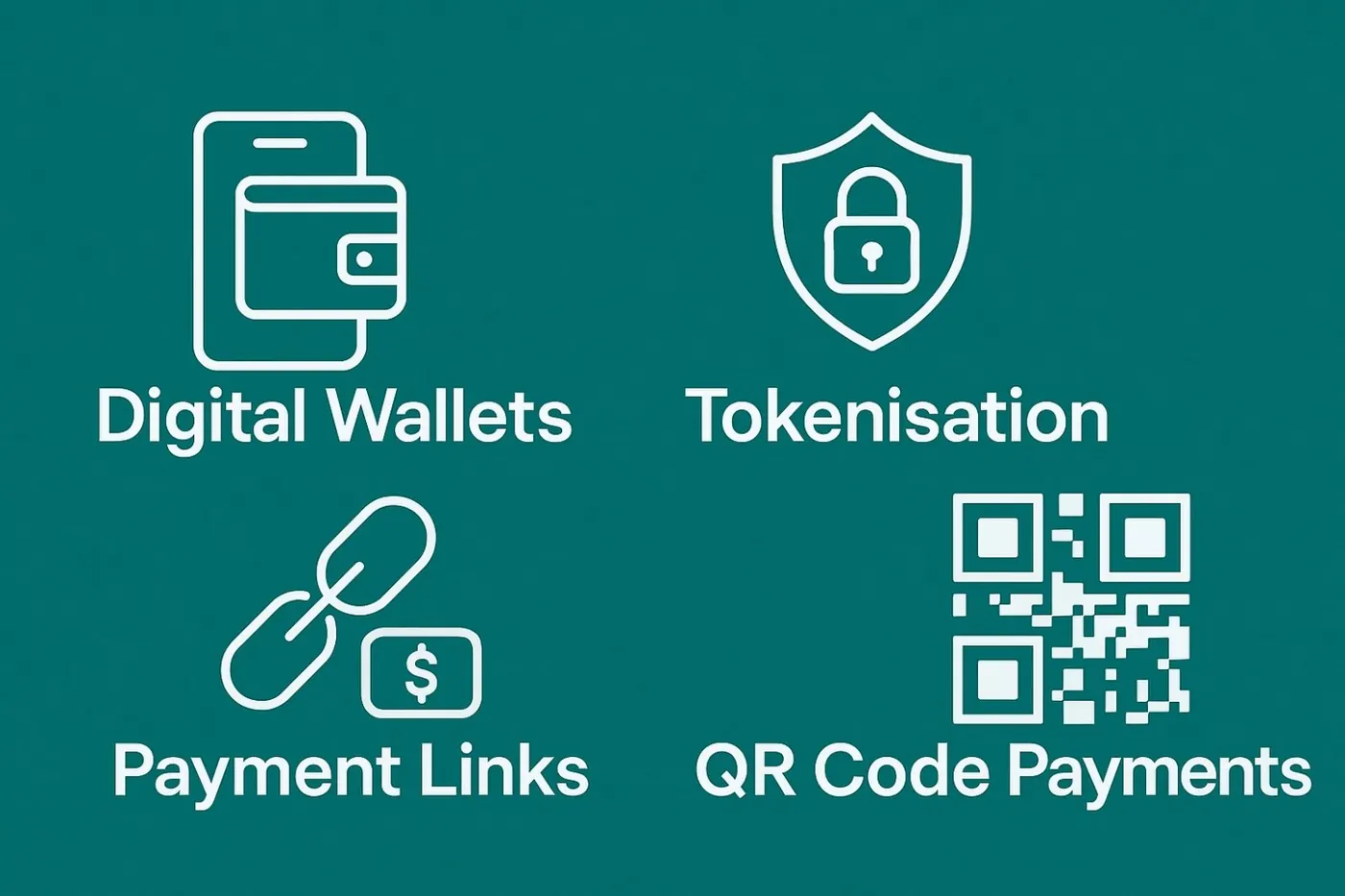
Payment Landscape (2025) | Mike Fowler
Digital Wallets: The First Invisible Payment
In Australia, Apple Pay, Google Pay, and Samsung Pay are already table stakes.
They offer:
- Frictionless checkout via biometric authentication
- Increased security via tokenisation
- Higher conversion on mobile devices
For merchants, supporting digital wallets isn’t optional, it’s expected. Customers want tap-and-go and stored data convenience, even online.
Tokenisation: Securing the Moment
Tokenisation replaces sensitive card details with unique, non-sensitive tokens.
Why it matters:
- Reduces PCI scope
- Enables one-click and recurring purchases
- Adds a layer of fraud prevention
In Australia, schemes like Visa and Mastercard have network tokenisation services, and the industry is encouraging merchants to shift from storing card-on-file to storing tokens instead. Larger billers already have had to solve for this due to compliance requirements link to the volume of transactions processed. But everyone needs to get in on the act- and eventually, will have to.
Fraud: The Battle in the Shadows
Australia is seeing growing fraud rates per capita in online commerce. Tools like:
- 3D Secure 2.0 (3DS2)
- Device fingerprinting
- Behavioural biometrics
…are essential. But the trick is balancing risk controls with conversion. Good payments teams know how to tune fraud settings, not just turn them on. There are many great solutions to prevent fraud within the payment authorisation and capture, as well as chargeback insurance protections that insure the risk. Think Decision Manager, Riskified, Forter, and Accertify to name a couple mainstream anti-fraud tools.
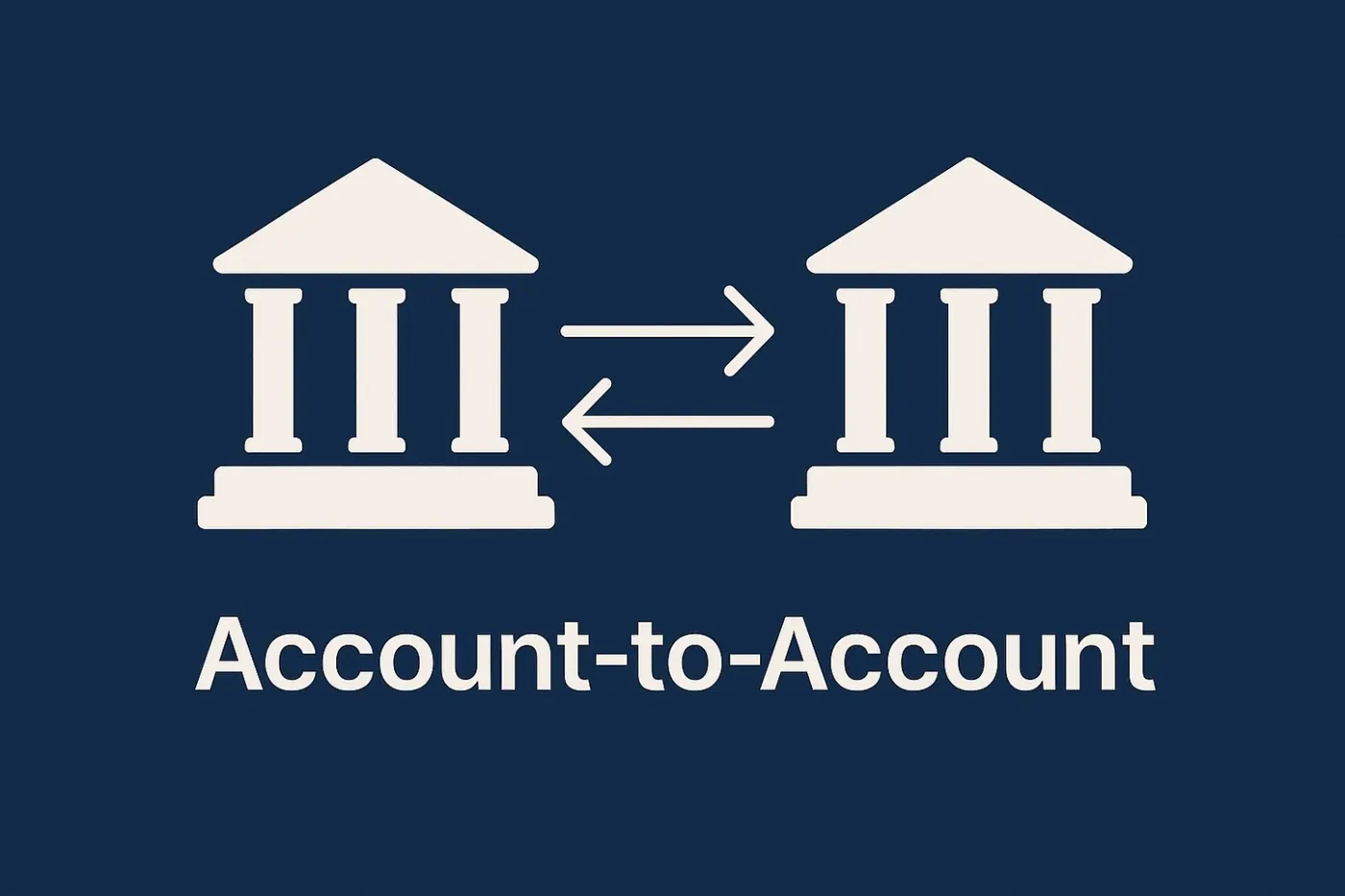
Account-to-Account Payments (A2A) | Mike Fowler
Account-to-Account Payments (A2A): The Rising Challenger
Powered by PayTo and NPP (New Payments Platform), A2A is the future of low-cost, real-time payments in Australia. At a minimum, A2A will replace direct debit (BECS) but it will certainly have larger implications. Future potential bans on surcharging will be one key driver for example. To date, this payment method has been too clunky for mass adoption. The current PayTo mandate approval process in your online banking app or site remains inconsistent and hard to find. It's the opposite of the invisible in-between step a payment should be.
Benefits:
- Lower fees than cards
- Instant settlement
- Strong customer authentication
Challenges:
- Consumer awareness still catching up
- UX not yet as slick as card or wallet payments
Watch this space, especially for B2B and recurring billing models.
Cards: Still King, for Now
- Debit cards dominate Australian eCommerce (approx. 70% of card volume)
- Credit cards still important for higher-value purchases and rewards-driven users
Cards remain the gold standard for instant authorisation and global compatibility. But as costs rise (especially with surcharging rules), merchants are exploring alternatives.
eWallets and Super Apps: The Fragmented Future
Aside from Apple/Google Pay, global e-wallets like PayPal, AliPay, and WeChat Pay are useful for cross-border shoppers.
Australia hasn’t seen super-app dominance like Asia, but payment ecosystems hint at what’s coming: wallets that double as discovery engines that we see with cash back and reward apps.
BNPL: Still Relevant, Evolving Fast
Buy Now Pay Later (BNPL) is maturing. Giants like Afterpay, Zip, and Klarna are now facing scrutiny and regulation, but consumer appetite is still strong, especially for < $1,000 purchases.
As BNPL players diversify their models (subscriptions, card-linked offers, loyalty), expect consolidation and tighter integration at checkout.
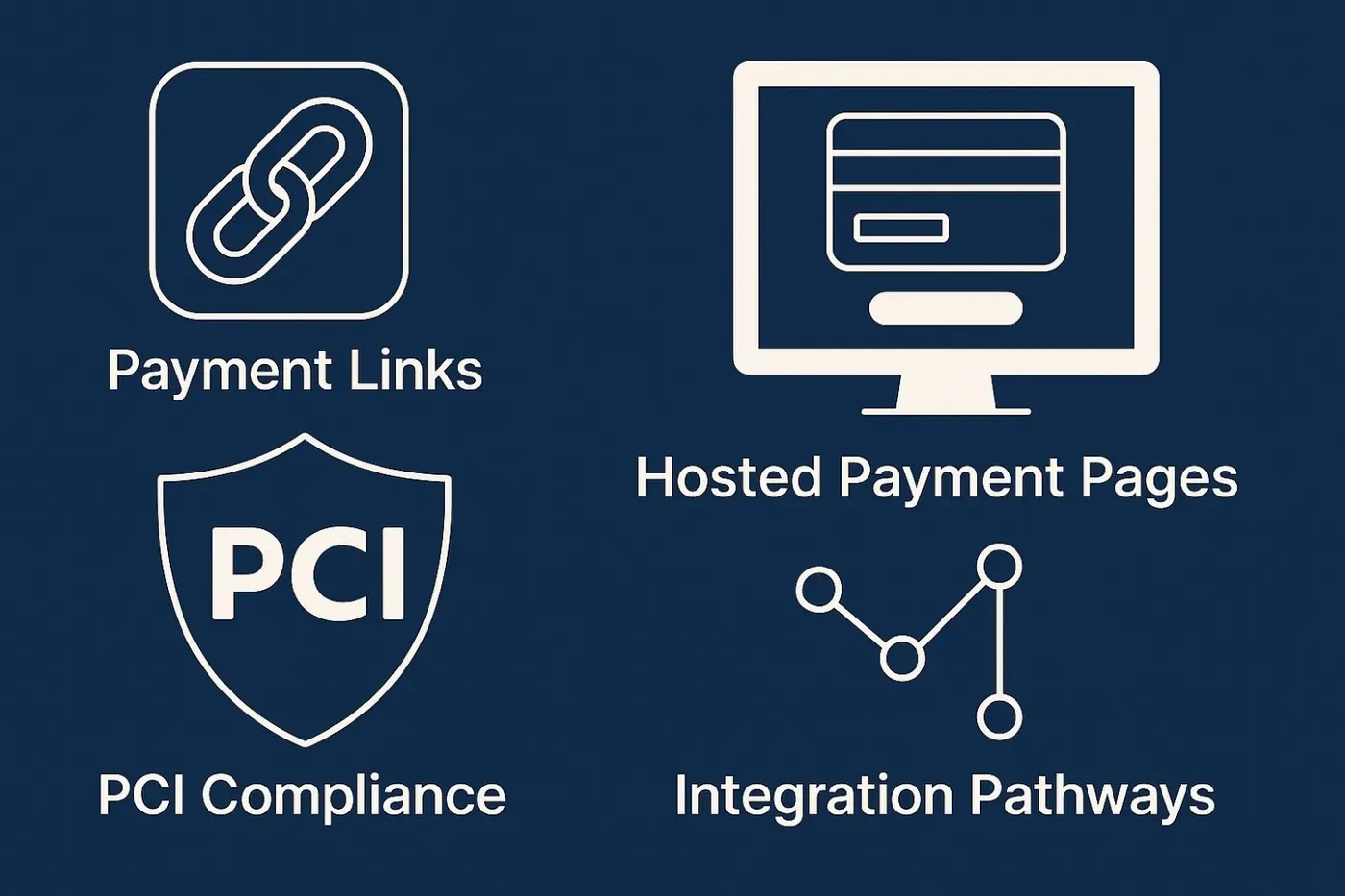
Payment Card Industry Data Security Standard (PCI DSS) Methods | Mike Fowler
Payment Links: Commerce Without a Cart
Payment links and QR code payment journeys are quite popular in various Asian markets as they make it easier for small merchants to accept digital payments. They enable:
- Social selling
- Phone orders
- Pop-up payments
Especially useful for SMBs and services that don’t run traditional eCommerce websites. Expect this mode of delivery to continue growing and be driven by upcoming soft-POS solutions and pre-purchase low-cost acquiring devices and apps.
Hosted Payment Pages (HPP): Fast to Launch, Easy to Secure
Want to accept payments without touching PCI compliance? Use HPPs.
HPPs via payment gateways let you:
- Offload risk
- Reduce development time
- Launch faster
Just be sure the branding and UX don’t jar the customer out of trust.
PCI Compliance: Boring but Essential
The Payment Card Industry Data Security Standard (PCI DSS) exists to protect cardholder data.
For most businesses, the goal is PCI SAQ A, the simplest compliance level, which is achievable by never handling card data directly.
Tokenisation, hosted pages, and compliant gateways help you get there.
Integration Pathways: Plug, Build, or Buy
So how do you actually implement all this?
- Plugins & Apps: Think e-Commerce shopping carts and point of sale, great for small teams.
- Cartridges & Extensions: For mid-market platforms like Salesforce Commerce Cloud or BigCommerce.
- APIs & SDKs: Custom build? You’ll want developer REST API-friendly gateways that do the heavy lifting with front and back end SDKs and mobile drop-in UIs.
Integration is where payments shift from a "finance problem" to "product experience." Embedded payments & finance crucially bring payment capability within existing flows and journeys. Watch this continue to evolve and the in-between becomes less visible over time.
The Invisible Advantage
The best payment experience is the one the customer doesn’t notice. It just… happens.
As businesses in Australia embrace smarter commerce, from AI-driven storefronts to embedded finance, the winners will be those who nail the in-between.
If you’re still thinking of payments as a backend process, it’s time to reframe.
It’s not just plumbing, it’s the quiet handshake between you and your customer.
Whether you’re a growing DTC brand, a marketplace, or an enterprise platform, building a truly invisible payments layer might just be your unfair advantage.